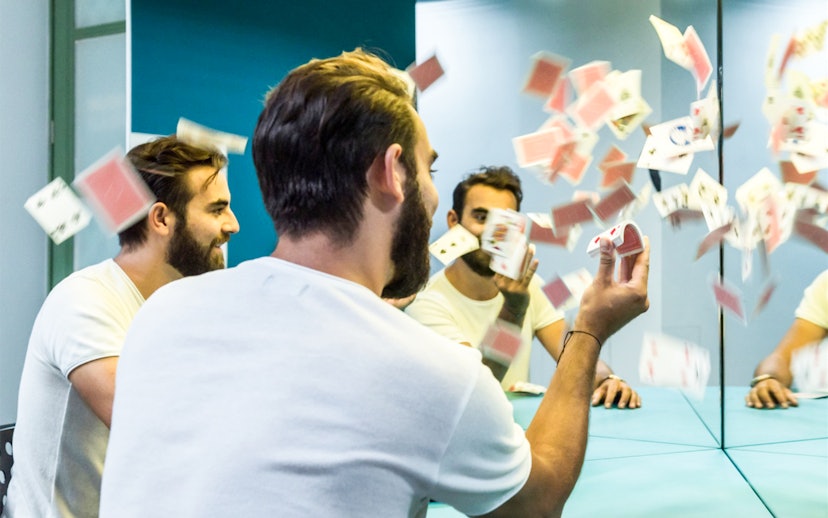
Plan your visit to Museum of Illusions Thessaloniki
The Museum of Illusions Thessaloniki is an interactive illusion museum best known for photo-ready rooms, perspective tricks, and sensory puzzles you step into rather than just look at. It’s compact, fast-moving, and easy to underestimate: most visits last under 90 minutes, but crowding can make the best rooms feel slower than expected. The biggest difference between a smooth visit and a frustrating one is timing. This guide covers when to go, how long to plan, tickets, and the rooms worth prioritizing.
Quick overview: Museum of Illusions Thessaloniki at a glance
This is a short visit, but a little planning changes the experience more than you’d think.
- When to visit: Tuesday–Friday 1pm–9pm, Saturday 11am–9pm, and Sunday 11am–8pm; Tuesday–Thursday from 1pm–3pm is noticeably calmer than weekend afternoons, because school groups, local families, and photo queues pile up fast in the smaller rooms.
- Getting in: From €11 for standard entry; timed online entry also starts from €11, and while you can buy at the door if space allows, weekend and summer slots are better booked ahead because entry is controlled by time slot.
- How long to allow: 45–90 minutes for most visitors, stretching closer to 2 hours if you’re visiting with kids, retaking photos, or lingering at the puzzle tables.
- What most people miss: The smaller holograms and wall illusions between the headline rooms, plus the puzzle zone near the end, are where the science side of the visit really lands.
- Is a guide worth it? Not for most visitors—the museum is short, self-guided, and the Greek-English exhibit labels plus staff photo help usually give you enough context without adding a formal tour.
🎟️ Slots for Museum of Illusions Thessaloniki can sell out 1–2 days in advance during summer weekends and holidays. Lock in your visit before the time you want is gone.
Jump to what you need
🕒 Where and when to go
🎟️ Which ticket is right for you?
🗺️ Getting around
🌀 What happens inside
♿ Facilities and accessibility
Where and when to go
How do you get to Museum of Illusions Thessaloniki?
The museum sits in Ladadika, a short walk from Aristotelous Square and Thessaloniki Port, so it’s easy to fit into a downtown sightseeing day.
Doxis 5, Ladadika, Thessaloniki 54625, Greece
- Walk: From Aristotelous Square → 7 min → the easiest option if you’re already in the city center.
- Bus: Ladadika or Plateia Eleftherias stop → 2–5 min walk → useful for most routes into downtown Thessaloniki.
- Taxi / rideshare: From Thessaloniki railway station → about 10 min → simplest if you’re short on time or traveling with children.
- Airport bus: Bus 01X to Aristotelous Square → then about 10 min on foot → cheaper than a taxi, but slower with luggage.
Which entrance should you use?
The museum uses one street-level entrance, but the key distinction is whether you already have a timed ticket or still need to buy one on arrival.
- Pre-booked timed tickets: For visitors with online reservations. Expect 0–10 min waits outside busy weekend afternoons.
- Walk-in purchase: For same-day visitors buying at the desk. Expect 10–30 min waits during summer weekends, holidays, and rainy-day peaks.
When is Museum of Illusions Thessaloniki open?
- Tuesday–Friday: 1pm–9pm
- Saturday: 11am–9pm
- Sunday: 11am–8pm
- Monday: Closed
- Last entry: About 1 hour before closing
When is it busiest? Weekend afternoons, summer holiday periods, and bad-weather days are the tightest, because the museum is small and popular photo rooms back up quickly once families and tour groups arrive.
When should you actually go? Tuesday–Thursday right after opening is your best photo window, because you’ll hit the Vortex Tunnel, Ames Room, and Metro Car before the inside queues form.
Which Museum of Illusions Thessaloniki ticket is best for you
| Ticket type | What's included | Best for | Price range |
|---|---|---|---|
Museum of Illusions - Thessaloniki Tickets | Entry to Museum of Illusions Thessaloniki | A short, self-guided visit where you want the full experience without add-ons, fixed tour commentary, or bundled extras. |
How do you get around Museum of Illusions Thessaloniki?
Layout and suggested route
The museum is compact, spread across 2 floors, and easy to self-navigate, but the popular photo rooms create small choke points if you wander without a plan.
- Ground floor: Larger walk-through illusions and fast photo setups → budget 20–30 min.
- Upper floor: Mirror rooms, perspective rooms, and quieter visual tricks → budget 20–30 min.
- Puzzle zone: Tabletop brain teasers near the end of the visit → budget 10–15 min if you want a slower finish.
Suggested route: Start with the big walk-through rooms while your energy and phone battery are fresh, move next to the Metro Car and Ames Room for photos, then slow down for the wall illusions and puzzle tables that many people otherwise skim.
Maps and navigation tools
- Map: This is a self-guided museum rather than a map-led one → the route is short → ask reception to point out the rooms you most want photos in before you start.
- Signage: Room labels are clear and the layout is manageable → you won’t need a detailed map, but staff help makes the best camera angles easier.
- Audio guide / app: There’s no formal Audioguide → Greek-English exhibit labels explain the science → most visitors won’t miss having an app.
💡 Pro tip: Don’t burn 15 minutes in the first room just because it’s empty — save your longer stops for the Vortex Tunnel, Ames Room, and Upside-Down Metro Car, where the retakes are actually worth it.
What happens inside Museum of Illusions Thessaloniki?

Vortex Tunnel
Experience type: Rotating walk-through tunnel
This is the room that catches almost everyone out. The floor stays flat, but the spinning barrel around you makes your brain insist you’re tipping sideways, which is why even confident walkers end up grabbing the handrail. Most visitors rush to cross it once, but it’s worth pausing for a second run.
Where to find it: Early in the main route, before the slower puzzle and wall-illusion sections.
Upside-Down Metro Car
Experience type: Staged photo room
This flipped metro-car set makes it look like gravity has reversed and you’re hanging from the ceiling. It works best if someone in your group steps back and frames the whole room properly. What people often miss is the local Thessaloniki transit detail that makes it feel more site-specific.
Where to find it: In the main photo-room circuit, usually one of the busier mid-visit stops.
Infinity Mirror Room
Experience type: Mirror-space illusion
This room trades jokes for a moment of actual awe. Mirrors and lights stretch the space into what feels like endless depth, and the effect works best when you stop moving for a few seconds instead of instantly reaching for your camera. The real payoff is standing still in the middle and letting the reflections disorient you.
Where to find it: In the mirrored-room section, where entry may be staggered in small groups.
Ames Room
Experience type: Perspective room
The Ames Room is a classic for a reason: it makes one person look huge and the other tiny without any digital trickery. The fun is not just the photo, but watching how completely your brain trusts the room shape even when you know it’s rigged. Give yourself one extra minute to swap places and shoot both versions.
Where to find it: In the perspective-illusion rooms on the main circuit.
Head on a Platter
Experience type: Quick photo illusion
This is a fast, silly one, but it lands because the result is so immediate: a floating head served up on a plate, with the rest of the body seemingly gone. It’s one of the best examples of how angle and concealment do most of the work in illusion design. Keep your pose simple and exaggerated for the best effect.
Where to find it: Between the larger room installations, in the quicker photo-stop section of the route.
Puzzle zone
Experience type: Hands-on brain teaser area
The puzzle tables are where the visit slows down in a good way. After all the rooms that trick your eyes, this area gives your hands and problem-solving brain something to do, and it’s often the part older kids and adults end up staying with longest. Many visitors treat it like a waiting area, but it’s actually one of the best places to turn the visit into real interactive play.
Where to find it: Near the end of the route, before the exit and gift shop.
Facilities and accessibility
- 🎒 Cloakroom / lockers: There’s a small front-area space for jackets and bulky items, but this is not a full locker bank, so pack light.
- 🛍️ Gift shop / merchandise: The visit ends by a small gift shop with optical toys, brain teasers, and illusion-themed souvenirs that work well for kids.
- 🌐 Languages: Exhibit labels are provided in both Greek and English, which makes the self-guided format easy for most visitors.
- 📸 Photo help: Staff often help line up the best angle in the bigger illusion rooms, which matters more here than in a typical museum.
- 🚼 Stroller storage help: Strollers can go inside, but if the rooms feel tight, staff may suggest leaving one near reception to move more easily.
- ♿ Mobility: The entrance is street-level and there’s an elevator between floors, but some rooms — especially the Vortex Tunnel and slanted illusion spaces — are physically disorienting even if the building itself is step-free.
- 👁️ Visual impairments: This is a highly visual museum, and many illusions depend almost entirely on sight, though room labels in Greek and English do provide written context.
- 🧠 Cognitive and sensory needs: Mirrored rooms, spinning visuals, and balance-shifting exhibits can feel intense, so quieter weekday early-afternoon slots are the easier choice if you’re sensitive to stimulation.
- 👨👩👧 Families and strollers: Families do well here, but narrow areas can get tight once crowds build, so strollers are easier to manage on calmer weekday visits.
This works well for children because the museum is short, hands-on, and built around doing rather than just looking, which keeps attention high without needing a half-day commitment.
- 🕐 Time: Around 45–75 minutes is realistic with younger children, and the Vortex Tunnel, Ames Room, and Metro Car are the easiest rooms to prioritize.
- 🏠 Facilities: The short route, helpful staff, and exit gift shop make this easier with children than a larger museum where you’re covering long distances.
- 💡 Engagement: Let kids guess how each illusion works before reading the sign — it turns the visit into a game instead of a straight photo session.
- 🎒 Logistics: Bring a charged phone, avoid bulky bags, and aim for the first weekday slot you can manage if you want fewer waits and more patience for retakes.
- 📍 After your visit: Aristotelous Square is a simple next stop for a walk, dessert, or a reset before continuing your day in the city center.
Rules and restrictions
What you need to know before you go
- Entry requirement: Use a dated, timed-entry ticket, and bring any concession ID if you booked a student or reduced-rate ticket.
- Age policy: Children under 16 should be accompanied by an adult.
- Re-entry policy: Tickets are single-entry, so once you leave into Ladadika for food or a stroll, you’ll need a new ticket to come back.
Not allowed
- 🚫 Running through the Vortex Tunnel: The floor is flat, but the spinning tunnel throws off balance quickly, so move slowly and use the handrail.
- 🖐️ Climbing or improvising on sets: Many rooms only work from the intended platform or viewing point, so stick to the marked setup rather than inventing your own angle.
Photography
Photos and videos are part of the experience here, and handheld shooting is the easiest way to do it. Flash is generally fine unless staff advise otherwise in a specific setup, and the main distinction is really about space: the bigger room illusions can handle a few quick retakes, but the tighter rooms work best when each group keeps its turn short and moves on.
Practical tips
- Booking and arrival: Book 1–2 days ahead for summer weekends and holidays, and arrive about 10 minutes early so you’re not starting your visit stressed if the reception area is busy.
- Pacing: Don’t spend all your energy in the first room just because it’s empty — the Vortex Tunnel, Ames Room, and Metro Car are the rooms most worth slowing down for.
- Crowd management: Tuesday–Thursday from 1pm–3pm is the best photo window here, because school groups and local family visits build later and the small rooms feel much tighter once queues form.
- What to bring or leave behind: Bring a fully charged phone and a compact bag; you’ll take more photos than you expect, and narrow illusion rooms are annoying with bulky belongings.
- Food and drink: Eat before you go in or save lunch for after, because the visit is short, Ladadika is packed with dining options, and leaving mid-visit ends your visit.
- Expectations: If you’ve visited another Museum of Illusions branch before, expect familiar classics with a few Thessaloniki-specific twists rather than a completely new concept.
What else is worth visiting nearby?
Commonly paired: White Tower of Thessaloniki
Distance: 1.6km — 20 min walk
Why people combine them: One gives you a playful indoor hour in Ladadika, and the other adds waterfront history and city views without needing to change neighborhoods.
Commonly paired: Thessaloniki sightseeing boat cruise
Distance: 250m — 5 min walk
Why people combine them: It’s an easy same-day contrast — a short, high-energy indoor visit followed by a breezy harbor ride from the port just beyond Ladadika.
Also nearby
Aristotelous Square
Distance: 500m — 7 min walk
Worth knowing: This is the easiest next stop if you want coffee, dessert, or a central city stroll after a short museum visit.
Thessaloniki Port
Distance: 250m — 3–5 min walk
Worth knowing: The port area works well if you want waterfront views, an easy walk, or to connect your visit with nearby museums and harbor-side stops.
Eat, shop and stay near Museum of Illusions Thessaloniki
- On-site: There isn’t a full meal stop built into the museum, so most people eat before or after in Ladadika’s restaurants a few steps away.
- Ladadika tavernas: 2–5 min walk, around Doxis and nearby pedestrian streets; Greek meze, grilled dishes, and the easiest sit-down option once you finish your time slot.
- Port-side cafés: 5–8 min walk, near Thessaloniki Port; better for coffee, dessert, or a lighter stop if you don’t want a full meal after a 1-hour visit.
- Aristotelous Square cafés: 7–10 min walk, Aristotelous Square area; useful if you’re continuing toward the waterfront and want more variety than the immediate museum block.
- 💡 Pro tip: Weekend dinner tables in Ladadika fill quickly after 7:30pm, so reserve ahead if you’re pairing a late museum slot with a sit-down meal.
- Museum gift shop: Optical toys, small puzzles, and illusion-themed take-home items right by the exit.
- Ladadika souvenir and design stores: Better if you want Thessaloniki-themed gifts rather than science toys, and you can browse them without leaving the neighborhood.
Ladadika is a practical base if you want to be central, walk to the museum, and have restaurants right outside your door. It suits short city breaks well because you’re close to the port, Aristotelous Square, and other downtown stops. If you want a quieter, more residential feel for longer stays, this isn’t the calmest part of the city at night.
- Price point: Central-city rates, with plenty of mid-range hotel options and some higher evening demand because of the dining scene.
- Best for: Short stays where you want to walk everywhere and keep logistics simple.
- Consider instead: Aristotelous Square or the broader waterfront if you want the same central access with a wider hotel mix, or Ano Poli if you’d rather stay somewhere quieter and more atmospheric.
Frequently asked questions about visiting Museum of Illusions Thessaloniki
Most visits take 45–90 minutes. If you’re visiting with kids, taking a lot of photos, or spending time at the puzzle tables, it can stretch closer to 2 hours. The museum itself is compact, so longer visits usually come down to waiting for popular photo rooms or redoing shots.
Yes, it’s smart to book ahead for weekends, holidays, and summer visits. You can sometimes buy tickets at the door if space allows, but this is a small museum with timed entry, so busy slots fill faster than people expect. Booking ahead matters most if you want a specific afternoon time.
Yes, timed online entry is worth it on busy days because it saves you from relying on same-day availability at the desk. The real bottleneck here is not a giant outside queue but limited entry into a compact space. On weekday early afternoons, walk-ins are much less risky.
Arrive about 10 minutes early. That gives you enough time to scan your ticket, organize your group, and start on time without rushing. Arriving much earlier usually doesn’t help much, but arriving late on a busy day can mean waiting for the next gap in entry.
Yes, but small bags are the easiest choice. The museum is compact, and the best rooms involve narrow spaces, mirrors, and photo setups, so bulky backpacks quickly get annoying. There’s a small front-area space for jackets and larger items, but it’s not a full locker facility.
Yes, photos and videos are a big part of the experience. The museum is designed for posing, and staff often help visitors get the angle right in rooms like the Ames Room or Upside-Down Metro Car. Handheld shooting works best because the spaces are tight and popular rooms move faster when setups stay simple.
Yes, groups work well here, and the museum already attracts families, friends, and school visits. Large groups should book ahead because timed entry and room sizes make last-minute entry harder to manage. If you arrive as a bigger party, expect to split naturally across rooms rather than staying together the whole time.
Yes, it’s one of the easier family activities in central Thessaloniki. The visit is short, interactive, and built around movement, photos, and simple visual surprises rather than long reading-heavy galleries. Kids usually get the most out of the Vortex Tunnel, Ames Room, and the quick joke-photo illusions.
Partly, yes. The entrance is step-free and there’s an elevator between floors, but some individual exhibits are intentionally disorienting or awkward to navigate because slanted floors and balance tricks are part of the design. Staff can help guide you through the building and suggest which rooms are easiest to approach.
Food is easy to find near the museum, even though the visit itself is short and indoor-focused. You’re in Ladadika, one of Thessaloniki’s best-known dining areas, so it makes more sense to eat before or after rather than during the visit. Once you exit, though, re-entry is not allowed.
Yes, but with the right expectations. Many of the core illusion concepts will feel familiar if you’ve visited another branch before, so this is less about discovering a totally new format and more about enjoying a solid, shorter version with a few Thessaloniki-specific touches like the flipped metro-car room.
Yes, especially if you enjoy playful museums, design, or taking photos together. Adults tend to get the most out of the perspective rooms, mirrored spaces, and the science behind why each setup works. The visit is short enough to fit easily into a day of sightseeing without feeling like you’ve committed half your itinerary.